September 23, 2026
Modern commercial, industrial, and agricultural construction demands extraordinary structural integrity, architectural flexibility, and project management efficiency. Choosing dedicated steel building services enables property owners, developers, and project managers to streamline complex building projects from preliminary concepts through to final site construction. Professional oversight across all development stages ensures that every aspect of the project aligns seamlessly with local building codes, structural engineering requirements, and long-term operational needs. By consolidating initial conceptual planning, detailed engineering, component fabrication, logistical transportation, and final on-site assembly under expert direction, structural outcomes improve significantly while timeline risks are minimized. This unified methodology simplifies team communication, maximizes material efficiency, and yields high-performance metal structures capable of supporting demanding commercial operations for many decades to come.
Planning the Initial Conceptual Design
The journey toward constructing a custom metal facility begins long before heavy machinery arrives on the job site. Comprehensive steel building services start with in-depth client consultations aimed at identifying specific operational requirements, site characteristics, and future expansion objectives. Design professionals analyze property topography, soil conditions, access points, and local zoning requirements to determine the optimal orientation and footprint for the planned structure. Collaborating closely with property owners, designers help select appropriate building dimensions, clear-span options, roof pitches, and exterior finishes that suit both practical functional requirements and visual preferences. Every structural decision made during this initial phase balances interior usable space with budgetary parameters, ensuring the finished design provides maximum operational utility for the owner. Dedicated project managers assist clients throughout this phase to evaluate future expansion needs and refine building layouts before moving into technical production.
According to Businesswire.com, the non-residential application segment of the structural steel market is expected to reach US$74.9 billion by 2030, with a CAGR of 4.5%. This steady market growth underscores the increasing reliance on steel building services across industrial warehousing, commercial retail, manufacturing facilities, and agricultural storage sectors. Modern designers utilize advanced computer visualization software to create three-dimensional structural models, allowing clients to examine interior layouts, framing configurations, overhead clearances, and entry points prior to fabrication. Early structural simulation identifies potential spatial conflicts, refines load-bearing configurations, and verifies energy performance objectives. Thorough conceptual planning lays a solid foundation, ensuring the project transitions smoothly into precise structural engineering without costly alterations later in the overall process.
Engineering the Precise Structural Framing
Once the conceptual design achieves client approval, engineering specialists translate structural visions into exact technical specifications. Expert steel building services utilize sophisticated engineering software to calculate environmental load factors, seismic stresses, wind resistance values, and snow load requirements specific to the building location. Every structural member, column, rafter, truss, girt, and connection plate is mathematically modeled to handle localized stress distribution and load transfers safely. Detailed engineering drawings specify precise steel grades, metal thickness, fastener schedules, and welding details required to ensure that every structural component meets strict safety standards and regional building codes. Advanced analysis helps engineers optimize structural strength while balancing material weight, ensuring structural frames withstand severe environmental conditions.
Rigorous engineering calculations reduce excess material usage while preserving optimal structural strength across all building sections. Detailed structural documentation streamlines municipal permitting procedures, providing local building officials with clear proof of compliance with fire safety standards and structural load requirements. Resolving structural challenges digitally during the engineering phase eliminates expensive delays and physical modifications on site. By establishing precise structural tolerances prior to manufacturing, professional steel building services ensure that every fabricated component fits together perfectly during on-site assembly, protecting both construction budgets and overall project schedules.
Fabricating the Metal Building Components
With finalized engineering schematics completed, project workflow shifts into specialized factory environments where raw materials undergo conversion into custom structural components. High-quality steel building services rely on state-of-the-art computer-controlled equipment, including automated plasma cutters, high-precision saws, hydraulic press brakes, and robotic welding stations, to fabricate structural members with extraordinary precision. Raw structural steel beams, structural tubing, and high-strength metal plates are cut, drilled, punched, welded, and shaped according to exacting engineering parameters. Factory quality assurance inspectors review dimensional accuracy, hole placement, and weld integrity at each stage of production. Automated machinery ensures component cuts match digital blueprints, eliminating discrepancies that could slow down field construction.
Comprehensive surface treatment and protective coating applications form an essential part of the factory fabrication process. Primary structural members, secondary framing elements, wall panels, and roofing sheets undergo thorough surface cleaning before receiving protective primers, galvanization, or factory-applied color coatings designed to resist moisture, corrosion, and ultraviolet exposure. Controlled factory environments allow protective coatings to cure under optimal temperature and humidity conditions, ensuring superior adhesion and long-term durability. By completing fabrication and surface finishing in controlled facilities, steel building services achieve superior product quality compared to field applications exposed to unpredictable atmospheric elements.
Transporting the Prepared Steel Materials
Logistical coordination plays a crucial role in maintaining project momentum once component fabrication reaches completion. Full-service steel building services organize transport schedules to sync perfectly with on-site erection phases, preventing site congestion and avoiding unnecessary material exposure to the elements. Fabricated structural components are systematically bundled, strapped, labeled, and inventoried according to assembly order. This methodical approach allows site crews to unload structural components in the exact order required for immediate installation, minimizing material re-handling on site and keeping structural pieces organized throughout the unloading process. Detailed shipping manifests accompany every shipment, providing field supervisors with clear documentation of structural parts delivered to the site.
Safe logistics management requires specialized freight transport, custom flatbed trailers, and secure tie-down procedures to protect specialized surface finishes during transportation. Transport coordinators monitor travel routes, obtain necessary oversize permits, and track weather conditions to ensure timely delivery to the job site. Upon arrival, field supervisors perform immediate receiving inspections to verify inventory counts and confirm that structural members suffered no damage during transit. Efficient transport management provided by professional steel building services reduces equipment downtime, keeps field personnel productive, and ensures a seamless transition from factory production to physical construction.
Erecting the Final Structural Assembly
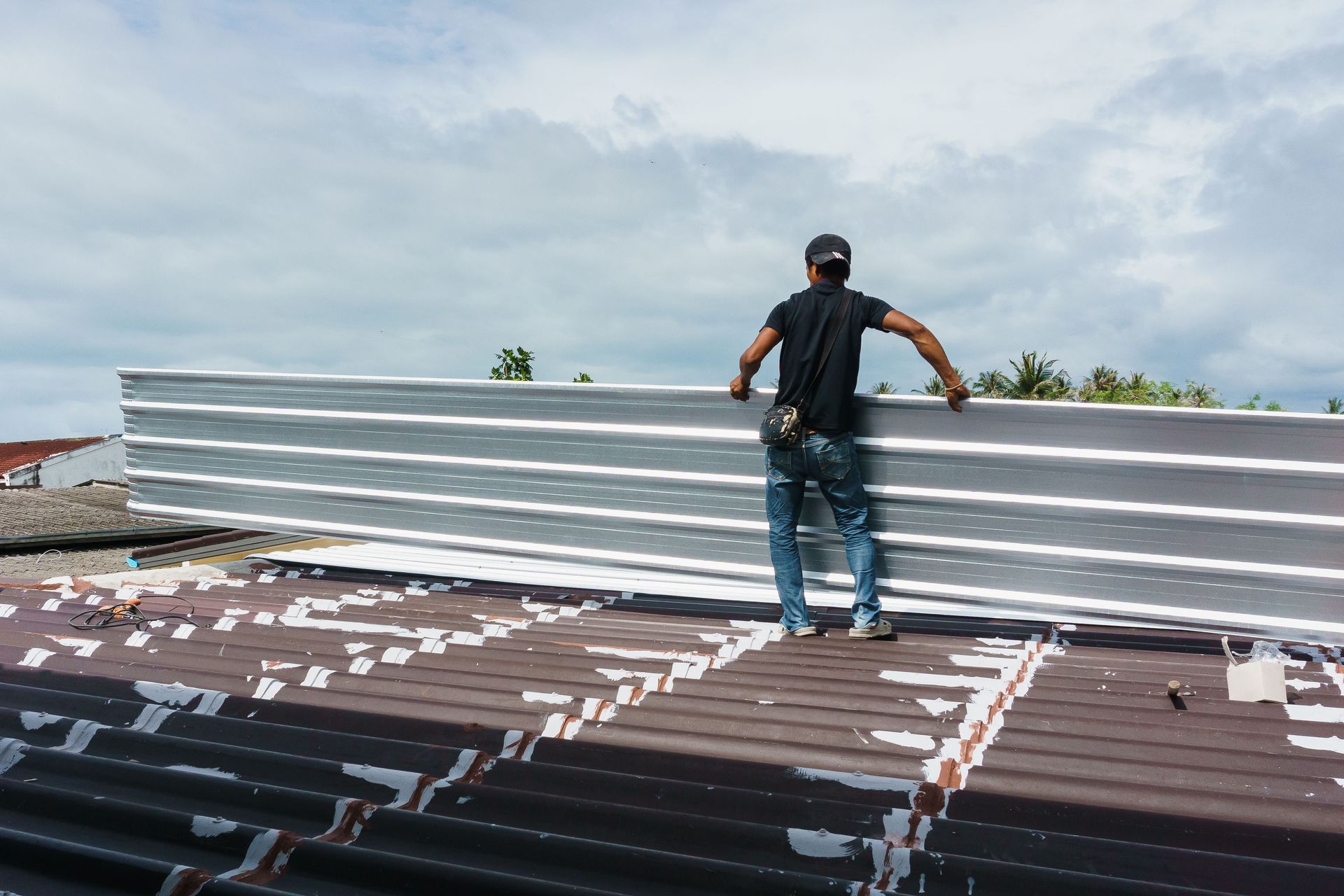
Field erection represents the physical manifestation of meticulous conceptual design, technical engineering, and factory fabrication work. Experienced field crews guided by professional steel building services employ mobile cranes, aerial lifts, and specialized rigging equipment to set main structural columns and roof rafters safely. Because components are factory-engineered and pre-punched to exact tolerances, structural assembly proceeds rapidly using high-strength bolted connections rather than extensive field welding. Rigid safety protocols govern every lift, ensuring that workers, equipment, and structural frames remain completely secure as the primary superstructure takes shape. Skilled operators work in tandem with ground crews to maintain assembly workflows, ensuring structural frames are safely elevated and pinned into place.
After primary structural frames are secured and plumbed, installation teams install secondary framing members, insulated wall panels, metal roofing systems, trim components, and weatherproofing seals. High-grade fasteners, sealant tapes, and structural closures are applied according to strict manufacturer specifications to guarantee energy efficiency and weather-tight interior spaces. Comprehensive post-erection inspections verify structural alignment, fastener torque values, and overall weatherproofing integrity across the entire facility. Through complete management of every project phase, dedicated steel building services transform raw metal into durable, fully functional commercial buildings ready for immediate occupancy.
Building a commercial, industrial, or agricultural facility requires structural expertise, careful planning, and seamless coordination across multiple operational disciplines. Choosing experienced steel building services ensures that every phase of development, from initial conceptual design and engineering through factory fabrication, component logistics, and final field erection, is executed with absolute precision and quality control. Comprehensive project management minimizes costly project delays, eliminates material waste, and yields resilient structures designed to serve your business for decades to come. To discover how expert management can streamline your next construction project from start to finish, contact Callahan Steel Buildings today.